 Reviews

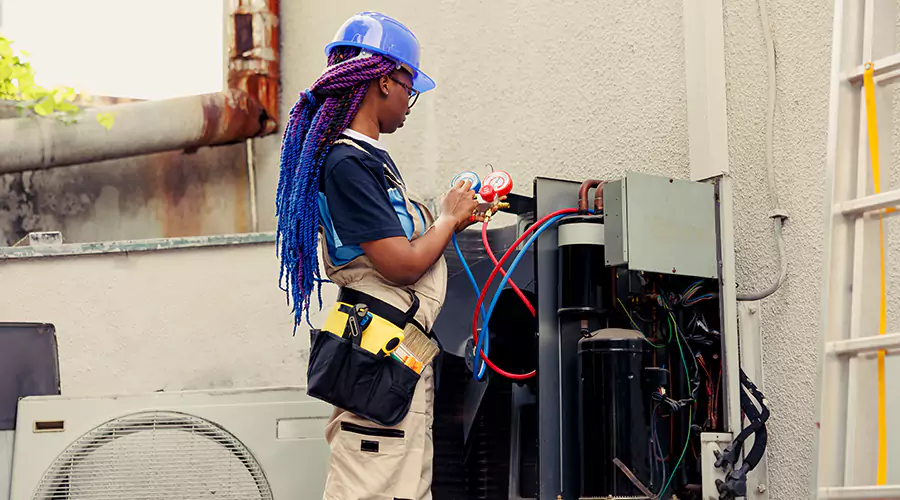
A refrigerant leak reduces cooling because the system loses the exact charge required to absorb and release heat. The air conditioner then runs longer to reach the thermostat setting which increases energy use and accelerates wear on the compressor. An AC refrigerant leak usually comes from corrosion in coils, loose connections, or damaged refrigerant lines. These leaks do not fix themselves and always worsen over time. Early signs include weak airflow, warm supply air, or ice on the indoor coil. A licensed technician must locate the leak, repair the source, then recharge the system to restore correct performance.
Why Refrigerant Matters?
Air conditioner refrigerant carries heat out of the home through a closed loop that depends on correct pressure. Any loss changes the temperature balance and reduces the system’s ability to cool effectively. Normal operation never consumes refrigerant so any drop signals a leak that needs attention.
What Happens When Levels Drop?
Technicians treat a low refrigerant AC condition as a clear indicator of system damage. Reduced pressure limits heat absorption and causes uneven cooling across rooms. Continued operation under low charge can overheat the compressor and shorten system life.
Common Causes of Refrigerant Leaks
Leaks can happen in different parts of the cooling system. Some are caused by age, vibration, corrosion, poor installation, or physical damage.
| Leak Source | What May Happen | Best Next Step |
|---|---|---|
| Evaporator coil | Indoor coil loses refrigerant | Schedule coil inspection |
| Condenser coil | Outdoor coil develops damage | Request AC diagnosis |
| Refrigerant line | Line cracks or loosens | Call for leak detection |
| Valve or joint | Connection starts leaking | Repair and seal connection |
| Corrosion | Metal weakens over time | Inspect system condition |
| Vibration | Parts rub or loosen | Secure and repair parts |
This table shows why a full inspection is important.
Freon Leak Concerns
Homeowners often describe refrigerant loss as a freon leak even when modern systems use updated chemicals. The term still refers to the same issue which is loss of cooling capacity due to escaping refrigerant. Proper handling requires certification because exposure and release carry safety risks.
Safety and Legal Requirements
Licensed technicians follow federal rules when handling refrigerants to prevent environmental harm. Specialized tools capture and store chemicals during repairs. Attempting to handle refrigerant without training risks injury and system damage.
AC Not Cooling Properly
An AC not cooling problem usually signals reduced heat transfer inside the system. The unit may run continuously without reaching the thermostat setting. Rooms feel warm even while the system appears to operate normally.
Performance Impact on Components
Low refrigerant forces the compressor to work harder than designed. Extended run times increase internal temperatures and strain electrical parts. Addressing the issue early prevents costly component failure.
Refrigerant Leak Signs
Common refrigerant leak signs can appear before the system stops cooling completely. Homeowners should pay attention to changes in comfort, sound, and system performance.
- Warm air comes from supply vents.
- The AC runs longer than normal.
- Ice forms on the indoor coil.
- Energy bills rise suddenly.
- A hissing sound comes from the unit.
- Cooling feels weaker each week.
- The system struggles during hot weather.
These signs may point to a leak or another cooling problem.
AC Hissing Sound
An AC hissing sound often indicates gas escaping through a small opening in the system. The sound may come from indoor coils or outdoor components depending on the leak location. Ignoring the noise allows pressure loss to continue.
When Noise Signals a Bigger Issue?
Louder sounds may include bubbling which points to a larger leak. Continuous noise paired with poor cooling confirms the need for inspection. Shutting off the system can prevent further refrigerant loss.
Frozen AC Coil
A frozen AC coil forms when low refrigerant drops coil temperature below normal levels. Moisture in the air freezes on the surface and blocks airflow. This condition quickly reduces cooling performance.
Why Ice Causes More Damage?
Restricted airflow forces the system to run longer which increases strain. Melting ice can create water damage inside the unit. Turning off the system allows safe thawing before service.
Evaporator Coil Leak
An evaporator coil leak occurs in the indoor unit where constant moisture exposure leads to corrosion. Over time small holes develop that release refrigerant slowly. These leaks often require detailed inspection to confirm.
Repair or Replacement Decision
Minor damage may be sealed with specialized welding techniques. Severe corrosion usually makes replacement the better long term choice. A technician evaluates cost against system age before recommending action.
Condenser Coil Leak
A condenser coil leak develops in the outdoor unit due to exposure to weather and debris. Dirt buildup and physical impact can weaken the metal. These factors create openings that allow refrigerant to escape.
Preventing Outdoor Damage
Routine cleaning removes debris that traps heat and stress. Keeping clear space around the unit improves airflow and reduces strain. Regular inspections catch early signs of damage before leaks form.
Refrigerant Line Leak
A refrigerant line leak appears along the copper tubing that connects indoor and outdoor components. Movement or poor installation can create weak points in these lines. Small cracks expand over time if the system continues running.
How Technicians Fix Line Damage?
Pressure testing confirms the exact location of the leak. Repairs involve sealing or replacing the damaged section of tubing. The system is then tested again to confirm it holds proper pressure.
HVAC Refrigerant Problems
An hvac refrigerant problem always requires fixing the source rather than adding more refrigerant. Refilling without repair leads to repeated loss and higher costs. Proper service restores both pressure and performance.
Correct Repair Process
Technicians locate the leak using detection tools before any recharge. The damaged area is repaired to stop further loss. Refrigerant is then added to match manufacturer specifications.
Cooling System Leak Issues
A cooling system leak affects efficiency and long term reliability. Low refrigerant forces the compressor to operate under stress. This can lead to early system failure if ignored.
Financial Impact of Delayed Repair
Minor leaks cost less to fix when caught early. Continued operation increases the risk of major component damage. Timely service protects the overall investment in the system.
AC Performance Problems
AC performance problems often appear as uneven cooling or long run cycles. These symptoms may result from refrigerant loss or other mechanical issues. Accurate diagnosis is required to identify the exact cause.
Why Proper Testing Matters?
Technicians measure airflow and temperature differences across the system. Electrical components are checked to confirm correct operation. This process prevents unnecessary repairs and targets the real issue.
HVAC Leak Detection
HVAC leak detection identifies the exact point where refrigerant escapes. Specialized tools allow precise location without damaging the system. Accurate detection is required before any repair.
Methods Used in Detection
Electronic sensors detect refrigerant in the air around components. UV dye highlights leaks under inspection light. Pressure testing confirms system integrity after repairs.
Professional Diagnosis and Repair
A professional AC diagnosis confirms whether refrigerant loss is the main issue. Technicians evaluate pressure levels and inspect system components. This detailed approach prevents misdiagnosis and ensures the right AC repair is performed.
Repair Solutions That Last
An AC leak repair may involve sealing joints or replacing damaged parts. The final step includes recharging the system to correct levels. A qualified AC repair service verifies performance before completing the job.
When Emergency AC Repair Is Needed?
Emergency AC repair becomes necessary when cooling fails during extreme heat. Systems that freeze repeatedly or lose cooling completely need immediate attention. Quick action protects both comfort and equipment.
Situations That Require Immediate Service
Homes with vulnerable occupants need fast restoration of cooling. Continuous operation without cooling signals serious internal issues. Prompt repair prevents further damage and restores safe indoor conditions.
Final Thoughts
Refrigerant leaks can come from coils, lines, joints, corrosion, vibration, or damaged parts. The warning signs often include weak cooling, frozen coils, hissing sounds, long run times, and higher energy bills.
If you suspect a refrigerant leak, do not keep running the system without service. A professional inspection can locate the leak, protect the equipment, and restore better cooling performance.